What Is Plagiarism? Types, Consequences, and How Citing Prevents It
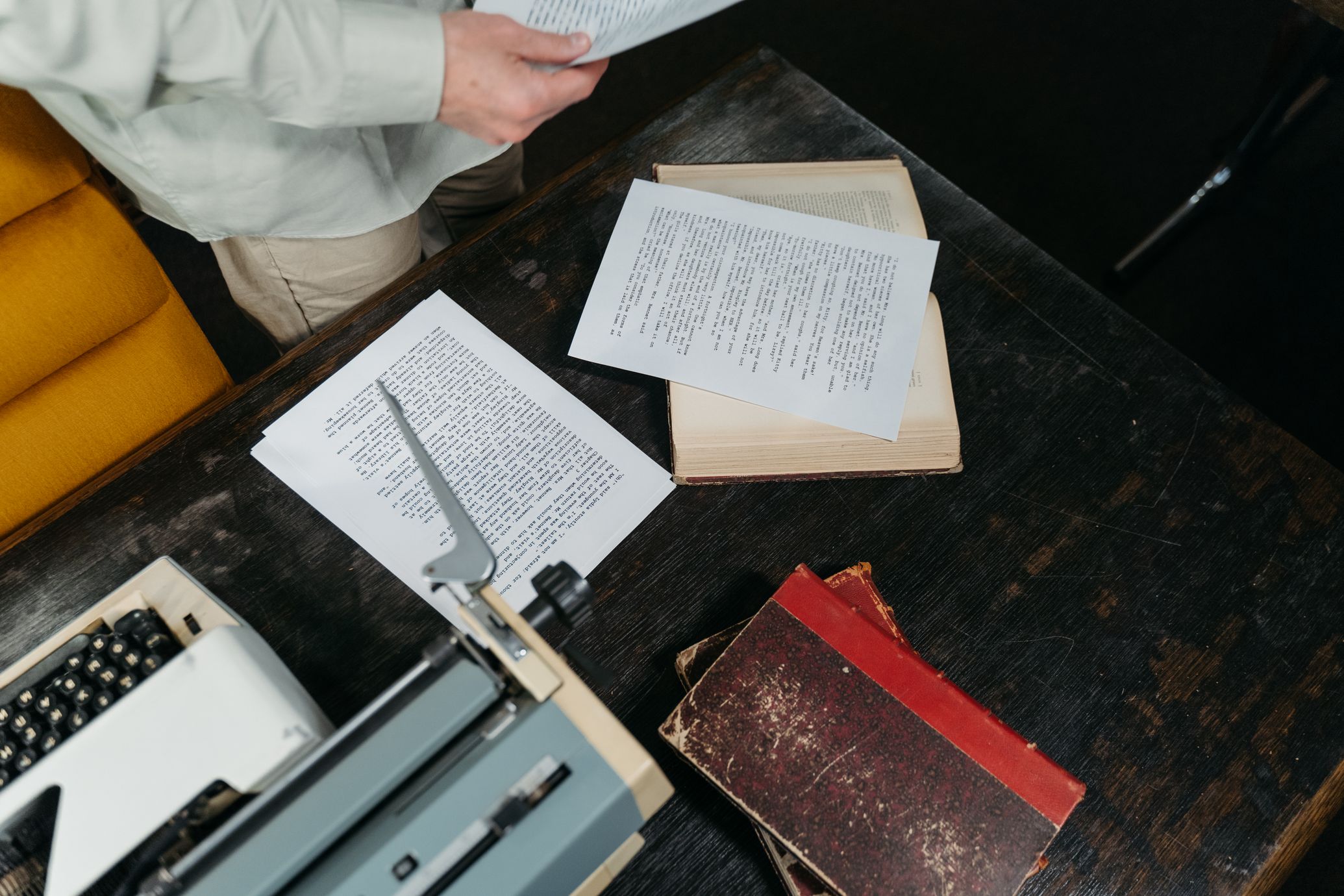
Plagiarism is presenting someone else’s words, ideas or work as your own without proper credit. It is one of the most serious offences in academic life, and many students commit it without intending to. Understanding the different forms is the first step to avoiding all of them.
The main types
- Direct plagiarism: copying text word for word without quotation marks or a citation.
- Paraphrasing plagiarism: rewording someone’s idea but failing to credit the original author.
- Mosaic plagiarism: stitching together phrases from several sources without attribution.
- Self-plagiarism: reusing your own previously submitted work without permission.
- Accidental plagiarism: forgetting a citation or formatting one incorrectly. Intent does not excuse it.
Why it matters
Consequences range from a failing grade on the assignment to suspension or expulsion, and in professional and academic publishing, a plagiarism finding can end a career. Beyond the penalties, plagiarism undermines the entire purpose of research, which depends on tracing ideas back to their origins.
How citation prevents it
Citation is the cure for plagiarism. Whenever you quote, paraphrase or summarise a source, an in-text citation plus a full reference entry makes the borrowing visible and honest. Three habits cover almost every case:
- Put any copied wording in quotation marks and cite it.
- When you paraphrase, still cite the original author.
- Keep a running list of every source as you research.
Accurate, consistent citations are your evidence that you did the work honestly. Tools like our APA and MLA generators remove the formatting friction, so there is no excuse to skip a citation. The thinking, quoting carefully and crediting fairly, is still up to you.